
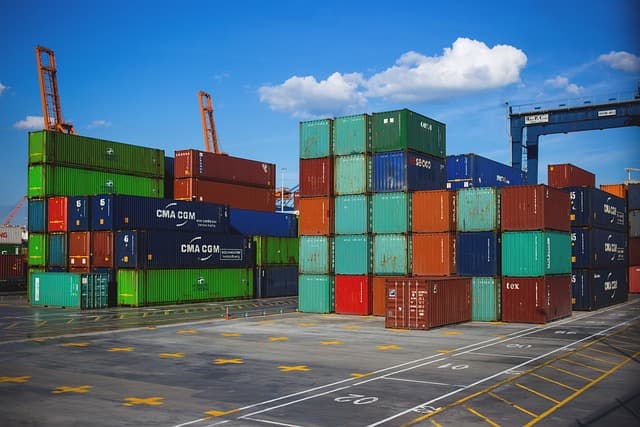
Exporting to Africa can be a lucrative venture for businesses looking to expand their market reach. However, it’s essential to identify the sectors that hold the most potential for success and to be aware of the necessary precautions when dealing with customs regulations. In this guide, we’ll delve into three sectors that are currently thriving in Africa and provide insights on navigating the complex world of customs requirements.
## The Agriculture Sector
One of the most promising sectors for export to Africa is agriculture. With a growing population and increasing demand for food products, there is a vast market waiting to be tapped into. From fresh produce to processed goods, there are numerous opportunities for businesses to establish a foothold in this sector. When exporting agricultural products to Africa, it’s crucial to ensure compliance with regulations on pesticides, labeling, and packaging. Working with local distributors can also help navigate the nuances of each market and ensure a smooth customs process.
## The Technology Sector
The technology sector in Africa is rapidly expanding, with a rising demand for innovative solutions to drive growth across various industries. From mobile applications to e-commerce platforms, there is a myriad of opportunities for tech companies to export their products and services to Africa. When exporting technology products, it’s important to stay abreast of intellectual property laws and data protection regulations in each country. Partnering with local tech firms can provide valuable insights into market trends and consumer preferences, helping businesses tailor their products to meet local needs.
## The Renewable Energy Sector
As the world shifts towards sustainable energy sources, the renewable energy sector in Africa presents a wealth of opportunities for exporters. From solar panels to wind turbines, there is a growing demand for clean energy solutions across the continent. When exporting renewable energy products to Africa, it’s essential to navigate customs regulations related to environmental standards and certifications. Collaborating with local energy providers and government agencies can help streamline the customs process and ensure compliance with local regulations.
Navigating customs requirements when exporting to Africa can be a daunting task, but with the right approach, businesses can overcome the challenges and seize the opportunities available in this dynamic market. Working with experienced customs brokers and legal advisors can help ensure compliance with import regulations and avoid costly delays at the border. Conducting thorough research on each market, building relationships with local partners, and adapting to cultural nuances are also key factors in a successful export strategy.
In conclusion, the agriculture, technology, and renewable energy sectors offer promising prospects for businesses looking to export to Africa. By understanding the unique opportunities and challenges in each sector, and taking the necessary precautions when dealing with customs regulations, businesses can position themselves for success in this burgeoning market. With proper planning and a strategic approach, exporting to Africa can be a rewarding endeavor that opens up new avenues for growth and expansion.